Game Without Rules
1 Episode
2 Episode
3 Episode
4 Episode

5 Episode
6 Episode
7 Episode
8 Episode
9 Episode
10 Episode
11 Episode

12 Episode
13 Episode
14 Episode
15 Episode
16 Episode
17 Episode
Story
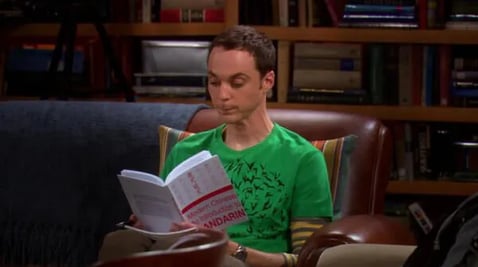
Sheldon’s confidence takes a serious hit when he meets Dennis, a fifteen-year-old physicist whose intelligence appears to surpass his own. Unsettled by the encounter, Sheldon turns to Leonard for help. Together, they examine Dennis’s research and look for a way to challenge it, hoping to restore Sheldon’s sense of intellectual superiority. The episode puts the rivalry between two exceptional minds in the spotlight and tests Leonard’s patience as a friend.
The comedy comes from Sheldon’s discomfort, his fiercely competitive nature, and the contrast between academic brilliance and emotional maturity. The conflict stays rooted in ideas and research, while the personal stakes make the scientific challenge especially revealing.
Overview
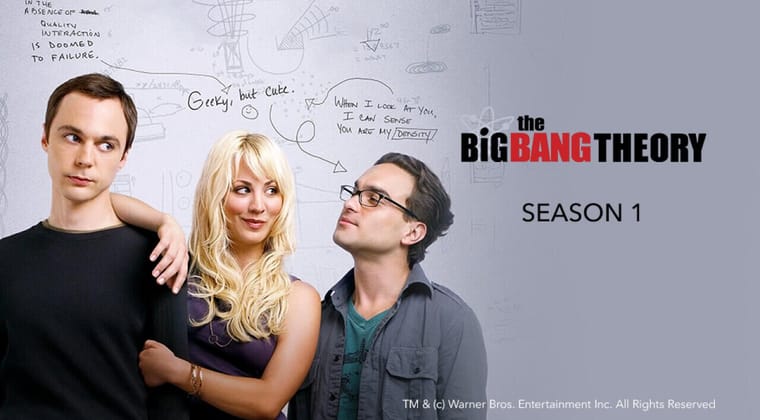
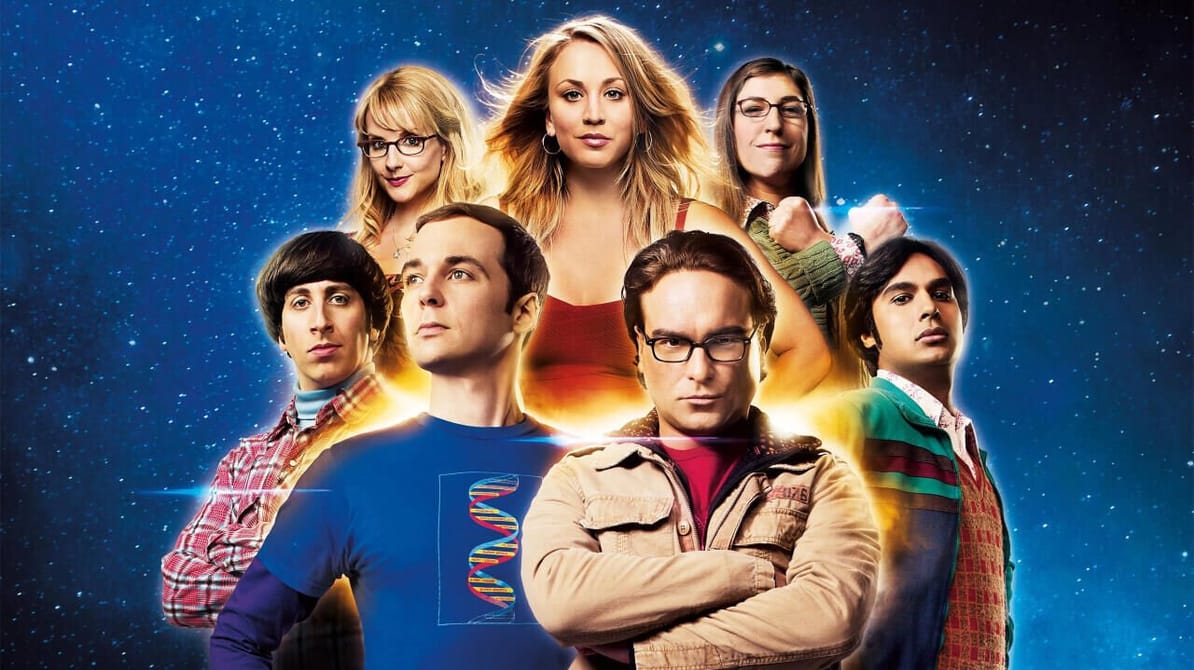
The Big Bang Theory follows university physicists Leonard and Sheldon as they navigate social situations with far less certainty than they bring to complex equations. Their close circle includes Howard and Raj, while Penny, an aspiring actress who moves in across the hall, introduces a different perspective on dating, friendship, clothing, parties, and everyday life.
As a comedy, the series places its academically gifted characters in familiar situations that expose their awkward habits and competing ambitions. This episode concentrates on Sheldon’s need to remain the smartest person in the room, with Leonard caught in the middle as his friend and collaborator. The result is a character-driven story about rivalry, friendship, and the uneasy relationship between talent and self-confidence.
Cast and Characters
Johnny Galecki and Jim Parsons play Leonard and Sheldon, whose friendship is tested by Sheldon’s reaction to Dennis. Dennis, a remarkably gifted teenage physicist, becomes the focus of Sheldon’s anxiety and Leonard’s investigation. Kaley Cuoco plays Penny, the aspiring actress whose arrival has expanded the scientists’ social world.
The wider series cast also includes Kevin Sussman and John Ross Bowie. Together, the ensemble supports the show’s blend of scientific references, social awkwardness, and quick character-based humor.







More like this











Trailer