 Scale Showdown


1 Episode

2 Episode

3 Episode

4 Episode

5 Episode

6 Episode

7 Episode

8 Episode

9 Episode
Story
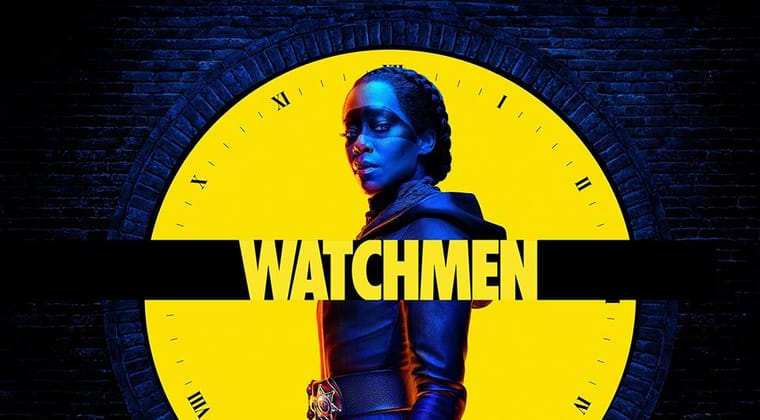
Angela undergoes an unconventional treatment under Lady Trieu’s care, entering a tense and uncertain process that places her body and mind at the center of the episode. While Angela faces this deeply personal ordeal, Agent Blake follows a lead that may bring her closer to answers she has been pursuing. Elsewhere, the Smartest Man in the World presents a striking defense of his past actions, adding another layer of doubt to a story shaped by hidden motives and competing versions of the truth.
Moving between intimate danger, investigative tension, and a carefully staged account of the past, the episode keeps its major revelations in reserve. Its atmosphere reflects the wider world of Watchmen, where crime, fantasy, and moral uncertainty exist alongside the legacy of masked figures treated as outlaws.
Overview
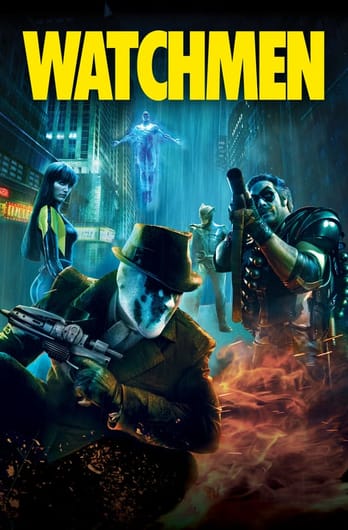
Set in an alternate history, Watchmen revisits the ideas and uneasy social landscape associated with the groundbreaking graphic novel while pursuing its own story. This episode brings several narrative strands into close proximity: Angela’s treatment, Agent Blake’s investigation, and a public defense from a figure whose history continues to cast a long shadow.
The result is a crime drama with elements of fantasy and a strong sense of psychological pressure. Rather than offering a single straightforward pursuit, the episode develops through separate perspectives and unresolved questions. Personal memory, authority, and accountability shape the tension, giving the installment a serious, suspenseful tone without revealing where its discoveries will lead.
Cast and Characters
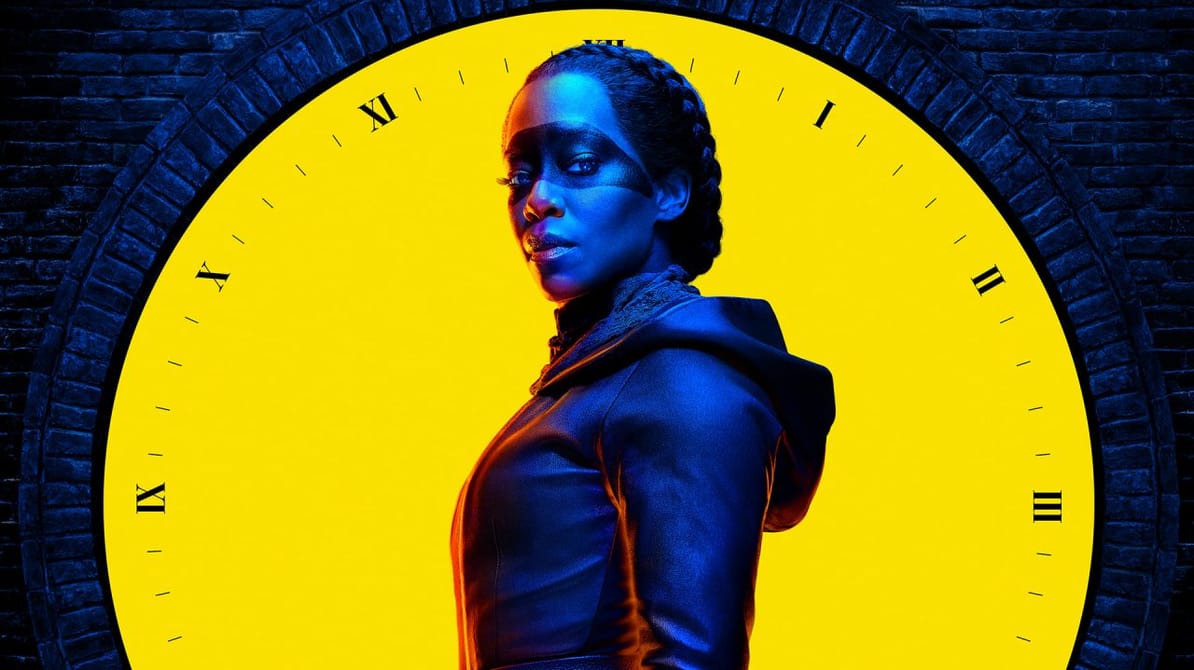
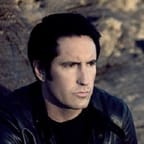
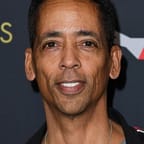
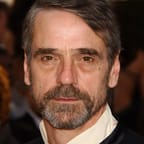
Regina King leads the episode as Angela, whose unconventional treatment forms one of its central threads. Jean E. Smart appears as Agent Blake, pursuing a lead through the investigation. Lady Trieu and the Smartest Man in the World occupy important positions in the episode’s other storylines, while Yahya Abdul-Mateen II, Jeremy Irons, and Tom Mison contribute to the ensemble cast.
The performances support a character-driven episode in which personal histories and public explanations carry equal weight. Its principal figures approach the surrounding mystery from different positions, creating tension between what is remembered, what is claimed, and what remains concealed.









More like this




Trailer