 Scale Showdown
Story
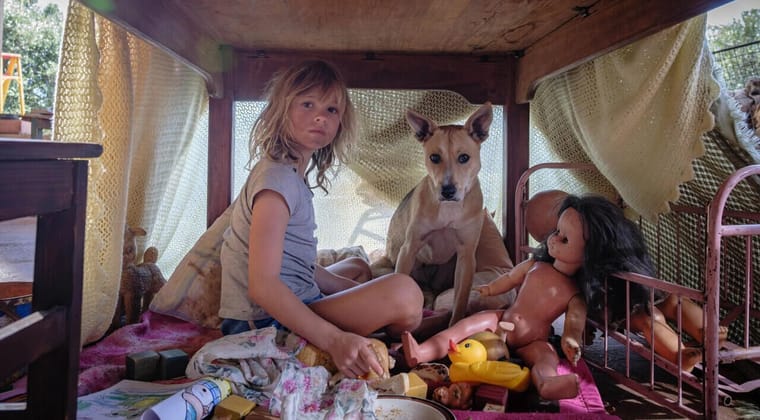
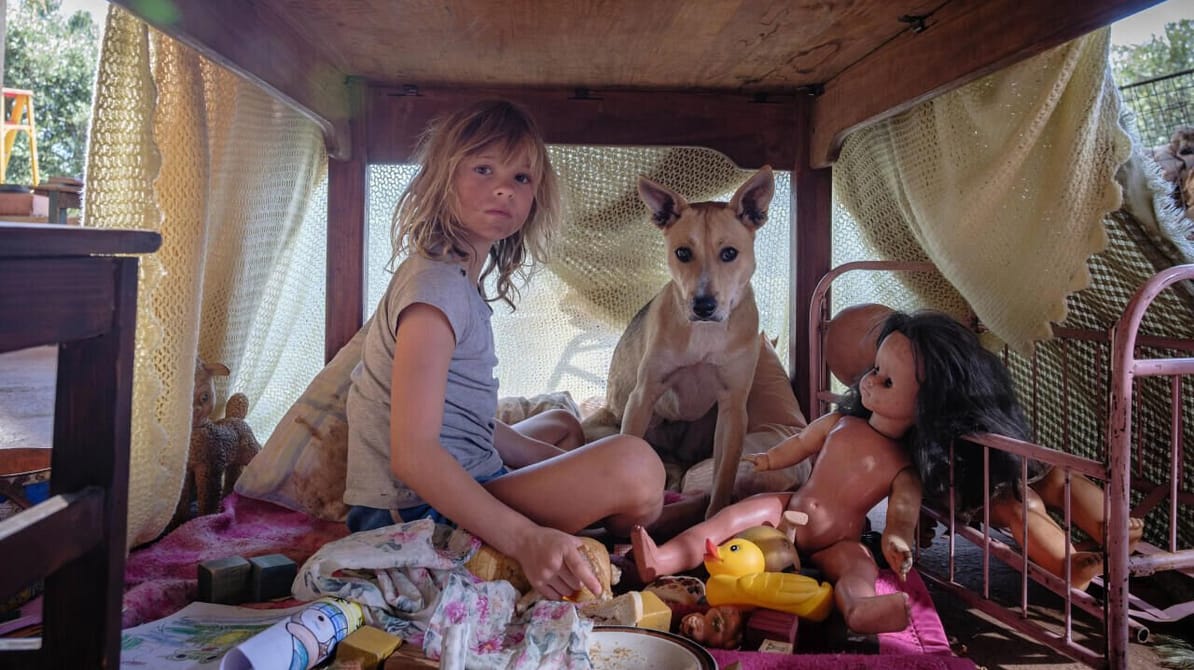
In the turmoil of the Zimbabwean War of Independence, eight-year-old Bobo tries to understand a world shaped by fear, loyalty and divided allegiances. Her life brings her close to people standing on opposing sides of the conflict, leaving her to reconcile deep affection with the violence surrounding her. Through a child’s vivid imagination, ordinary experiences take on a magical quality as Bobo searches for a way to make sense of the adults, choices and beliefs that define her world.
Her perspective gives the story an intimate emotional focus. The political struggle remains present in the background, while the drama follows the inner life of a young girl learning that history can reach into family, friendship and the places that feel like home.
Overview
Don't Let's Go to the Dogs Tonight is a South African drama directed by Embeth Davidtz. Set against the upheaval of Zimbabwe's war for independence, the film combines a child's point of view with a portrait of a society under pressure. Its atmosphere moves between the tangible anxieties of wartime life and the imaginative space Bobo creates around them.
The story explores divided loyalties, moral confusion and the difficulty of understanding a conflict when love connects people across its opposing sides. Rather than presenting events through distant political explanation, the film stays close to Bobo's emotional experience, allowing the larger historical setting to emerge through the relationships and tensions she encounters.
Cast and Characters
Lexi Venter leads the cast as Bobo, the young protagonist whose attempt to comprehend the conflict shapes the film's emotional perspective. Zikhona Bali, Fumani Shilubana, Rob van Vuuren and Tessa Jubber appear alongside her, forming the ensemble that surrounds Bobo as she navigates a childhood marked by competing loyalties and uncertainty.
Directed by Embeth Davidtz, the film places its characters at the centre of a deeply personal wartime drama. Their connections give the historical setting its human scale, while Bobo's imagination adds a distinctive layer to the way the story understands fear, affection and belonging.







More like this













Trailer