Scale Showdown
1 Episode
2 Episode
3 Episode
4 Episode

5 Episode
6 Episode
Story
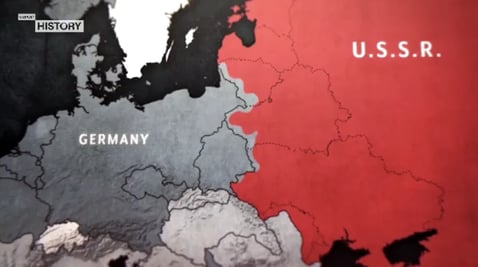
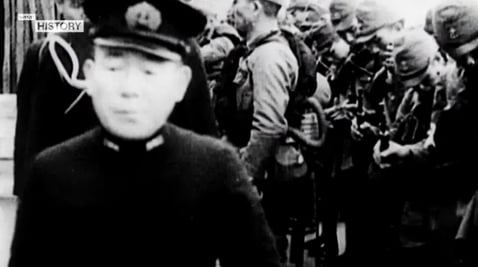
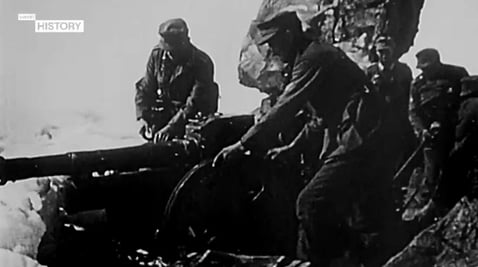
As German forces push into Ukraine, Belarus and Poland, local populations face the violence of occupation and the harsh reality of Hitler's expansionist campaign. The episode follows the human cost of the advance, showing how civilians and communities are caught beneath the machinery of conquest. Alongside the spread of occupying forces, it traces the establishment of the first concentration camps, revealing the increasingly brutal character of the war in Eastern Europe.
The subject is presented through the collision between military ambition and the lives of people trapped in territories targeted by the Reich. The episode keeps its focus on persecution, occupation and the early stages of a system built around terror.
Overview
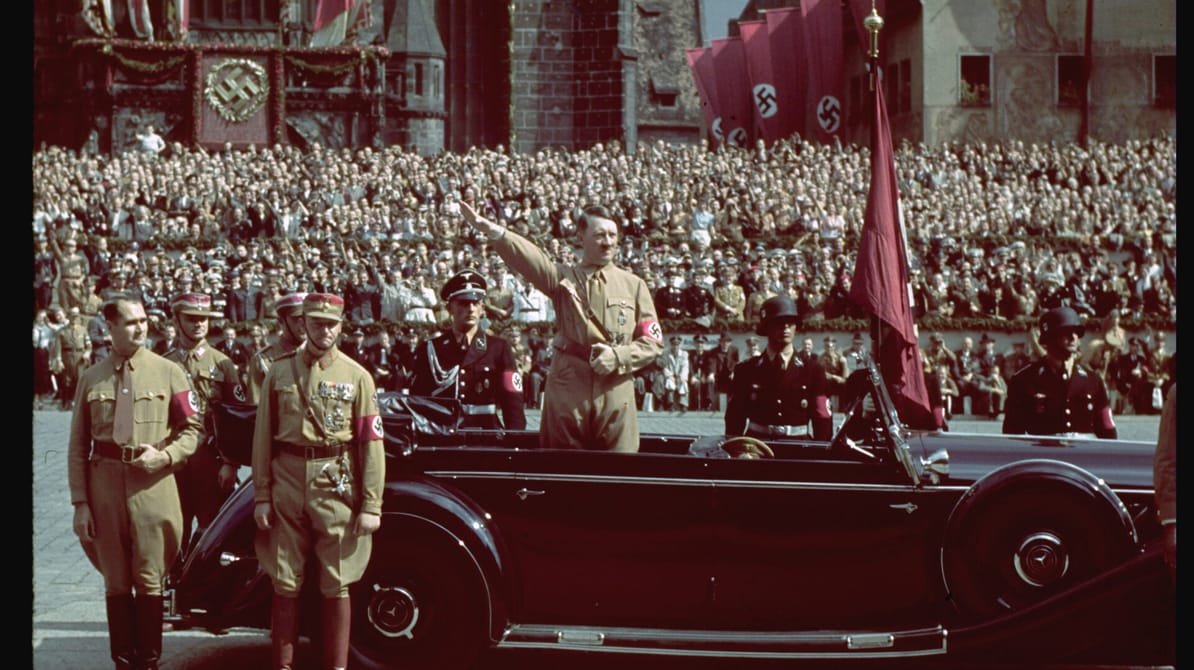
Adolf Hitler's War is a documentary series about the ideology, decisions and military ambitions that drove Germany toward a wider European conflict. Hitler sought to expand German power eastwards, with plans shaped by a racist worldview that treated entire populations as obstacles to be removed or enslaved. Poland, the Baltic States, Belarus and Ukraine became central to this drive for territorial conquest.
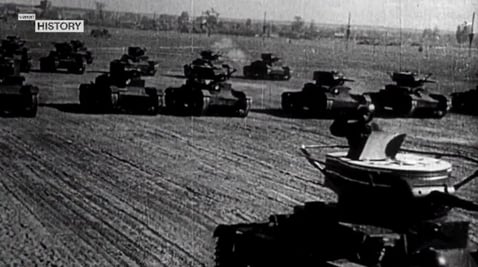
This episode, the third in the first season, concentrates on the consequences of that policy as troops advance and occupation takes hold. Its historical perspective connects battlefield movement with the persecution of civilians, placing the creation of the first concentration camps within the broader campaign of domination. The tone is grave and investigative, with the documentary format emphasizing the relationship between political ideology, military action and human suffering.
Cast and Characters
As a historical documentary, the episode is shaped by real people and communities rather than fictional performances. Adolf Hitler stands at the center of the narrative as the leader whose territorial ambitions and racist ideology helped propel Europe into war. German troops represent the advancing occupying power, while the inhabitants of Ukraine, Belarus and Poland represent the civilian populations subjected to violence, coercion and persecution.
The episode also draws attention to the early concentration camps and the forces that enforced the occupation. Their presence gives the story a stark human focus, placing the experiences of those living under German rule alongside the decisions that directed the campaign.
Cast & Crew


More like this