Story
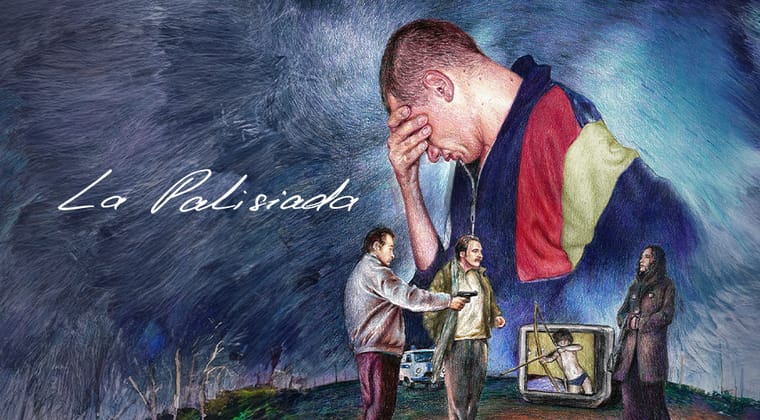
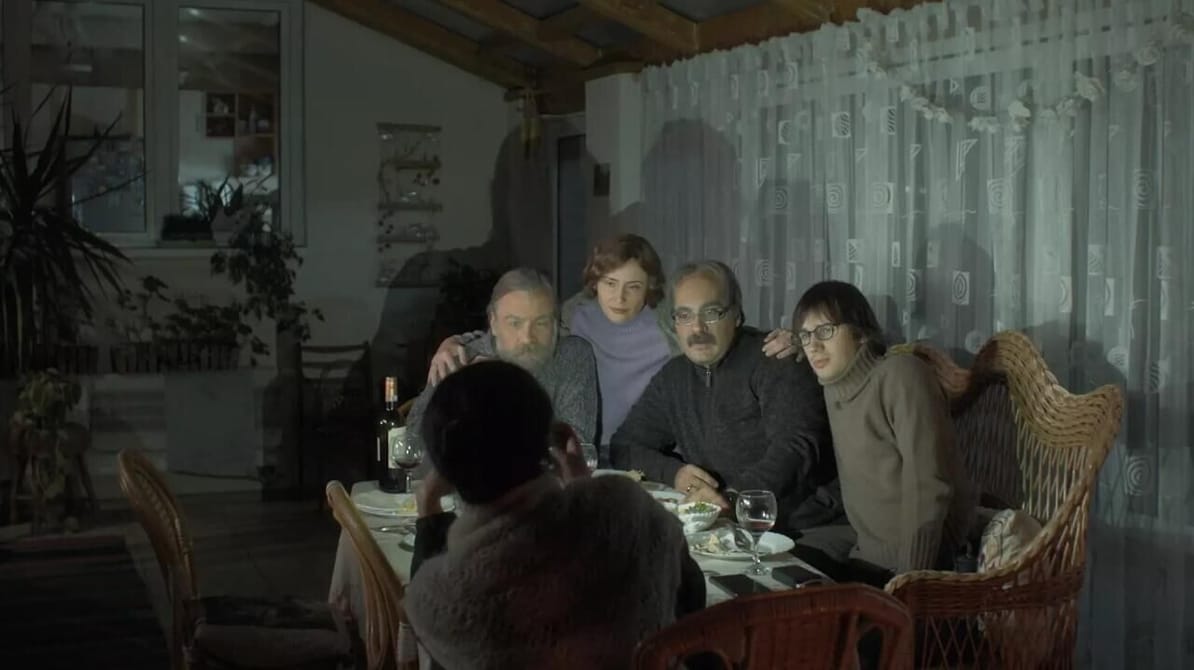
Ukraine, 1996. With the moratorium on capital punishment only months away, a police detective and a forensic psychiatrist are drawn into the murder investigation of a fellow officer. Their professional partnership is complicated by a shared past: years earlier, both men loved the victim’s widow. As the case brings buried feelings and unresolved choices back to the surface, the investigation reaches beyond the crime itself. Memories of one generation begin to shape the lives awaiting their children, who will inherit hopes left unfinished by their parents.
Set against a country in transition, the story combines a crime investigation with an intimate drama about loyalty, desire, responsibility, and the weight of decisions made long ago. The mystery provides the framework, while the emotional tension grows through the men’s uneasy friendship and their encounters with a past that has never fully disappeared.
Overview
La Palisiada is a Ukrainian drama directed by Philip Sotnychenko. Its setting captures a society standing at a significant legal and historical threshold, where official institutions, personal convictions, and private memories exist in uneasy balance. The film uses the investigation to explore how people carry unfinished aspirations into the future and how family ties can preserve the consequences of earlier choices.
The restrained atmosphere supports a layered narrative in which a police procedural gradually opens into a study of friendship and emotional inheritance. The period setting, the approaching end of capital punishment, and the central relationship between two long-time friends give the film a reflective tone while keeping the murder case at its core.
Cast and Characters
The film features Alexander Parkhomenko, Alexander Mauritz, Andrew Zhurba, Novruz Hikmet, and Valeriia Oleinykova. The central characters are shaped by the investigation and by a complicated personal history that connects the detective, the forensic psychiatrist, and the widow of the murdered colleague. Their relationships bring private conflict into the professional world of the case, while the presence of the next generation broadens the story into a drama about inherited expectations and unrealized dreams.









Trailer