CAR giveaway
1 Series
2 Series
3 Series
4 Series
5 Series
6 Series
7 Series

8 Series
9 Series
10 Series
11 Series
12 Series
13 Series
14 Series
15 Series
16 Series
17 Series
18 Series
19 Series
20 Series
21 Series
22 Series
23 Series
24 Series
25 Series
26 Series
Story
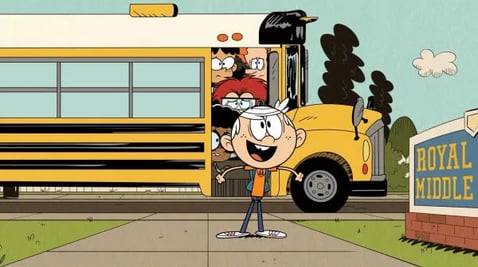
Clyde is confident that the Glee Club solo belongs to him, and he arrives ready to prove that he has the right voice for the spotlight. His plans take an unexpected turn when Lincoln auditions by accident and wins the part. The episode follows the boys as they deal with bruised expectations, friendly rivalry, and the awkward question of how to support someone close to you when you wanted the same opportunity.
Set against the lively world of school performances, the story balances comic misunderstandings with a warm look at friendship. Clyde's disappointment and Lincoln's surprise success create a situation that tests their bond while keeping the tone playful and family-friendly.
Overview
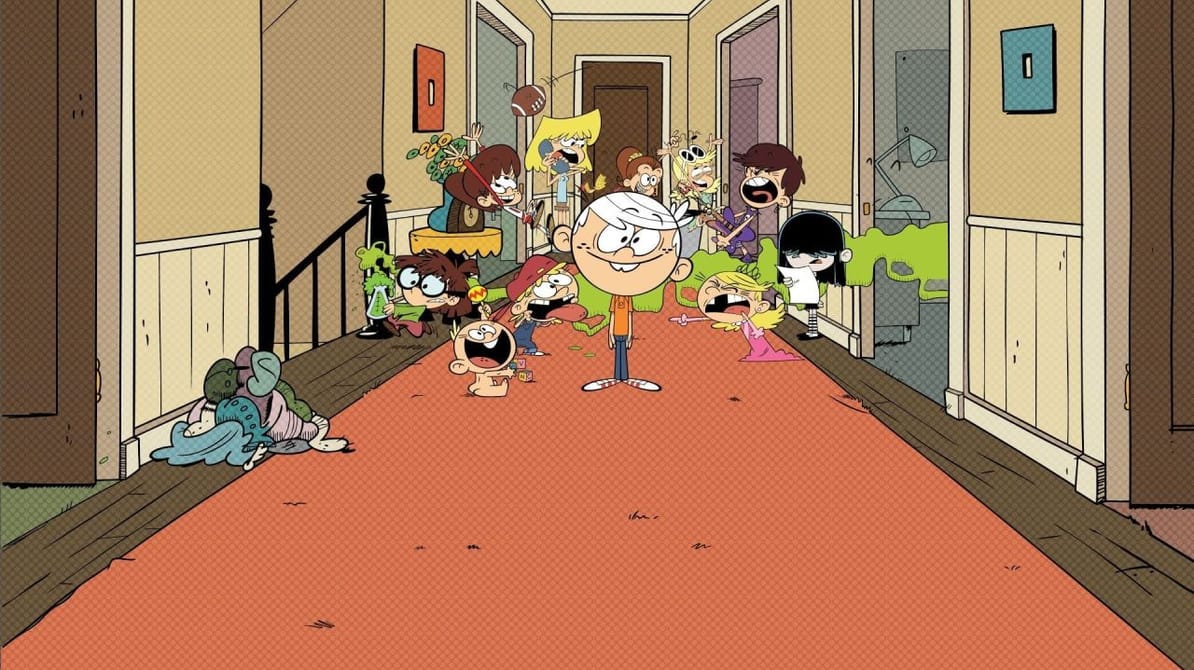
The Loud House is an animated comedy about Lincoln Loud, the only boy in a famously busy household filled with ten sisters. Everyday routines quickly turn into lively challenges, giving Lincoln plenty of chances to solve problems, protect his friendships, and find his place among the strong personalities around him.
This episode brings that familiar family-centered humor into a school setting, where a single audition becomes a source of competition between friends. The series combines quick comedy with relatable situations involving confidence, embarrassment, loyalty, and the pressure to perform in front of others. Its energetic style and ensemble dynamics make the story accessible to younger viewers while keeping the character interactions at the center.
Cast and Characters
The voice cast features Grey Griffin, Nika Futterman, and Jessica DiCicco. The episode centers on Lincoln and Clyde, whose friendship is placed under gentle pressure when an unexpected audition changes their plans. Around them, the school performance creates room for comic reactions, personal ambition, and the supportive family spirit that defines the series.
Directed by Chris Savino, this animated comedy uses its broad ensemble and expressive voice performances to bring the Loud family's hectic world to life. The character-driven humor remains grounded in familiar childhood experiences, from wanting recognition to learning how to handle a friend's success.





More like this









Trailer