

Story
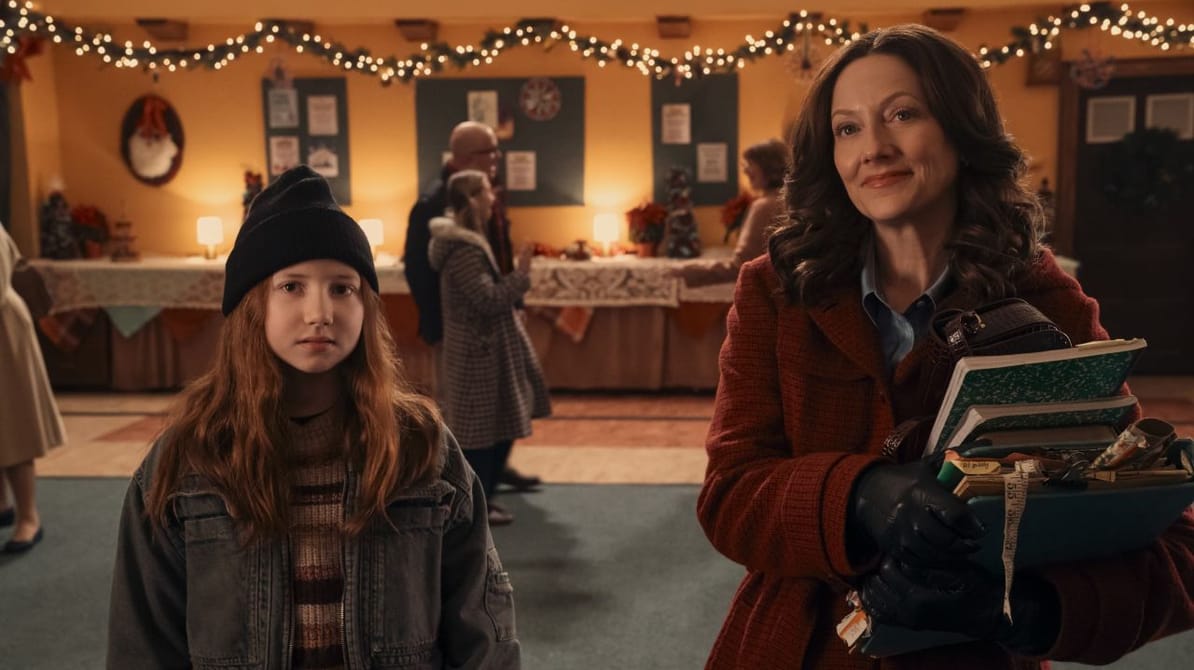
The Herdman children have earned a fearsome reputation in their small community. Lying, stealing, cheating, and bullying are all part of the story people tell about them, and neighbors are convinced that trouble follows wherever they go. When the local church begins preparing its Christmas pageant, the Herdmans unexpectedly take control of the production. Their presence unsettles the organizers and threatens to turn a familiar holiday tradition into complete chaos.
As rehearsals continue, the children approach the pageant with their own blunt logic and difficult history. Their choices challenge the people who thought they understood the Christmas story, while the performers and the surrounding town are forced to look beyond old judgments. Comedy grows from the clash between the Herdmans and the well-ordered community, while the pageant gradually reveals a more thoughtful side of the holiday. The result is a warm, mischievous story about compassion, second chances, and the meaning people find in a shared tradition.
Overview
The Best Christmas Pageant Ever combines comedy, adventure, and fantasy in a holiday story set around a small-town church production. The film follows an unruly group of children as they enter a world of rehearsals, community expectations, and seasonal rituals. Their involvement creates plenty of confusion, yet it also opens a path toward empathy for people who are usually dismissed before anyone takes the time to understand them.
Directed by Dallas Jenkins, the film is a Canadian and American production with a cast led by Judy Greer, Lauren Graham, Pit Holms, Molly Belle Wright, and Sebastian Billingsley-Rodriguez. Its tone balances comic disruption with a sincere look at kindness, belonging, and the ways a familiar story can look different through unexpected eyes.
Cast and Characters
Judy Greer and Lauren Graham lead the cast, joined by Pit Holms, Molly Belle Wright, and Sebastian Billingsley-Rodriguez. The ensemble centers on the contrast between the Herdman children, whose behavior has made them outcasts, and the adults and young performers responsible for the church pageant. Their encounters shape the film’s humor and emotional core, allowing the characters’ assumptions to be tested through rehearsal, conflict, and shared responsibility.












More like this
















Trailer